
A surprise for you at arrival
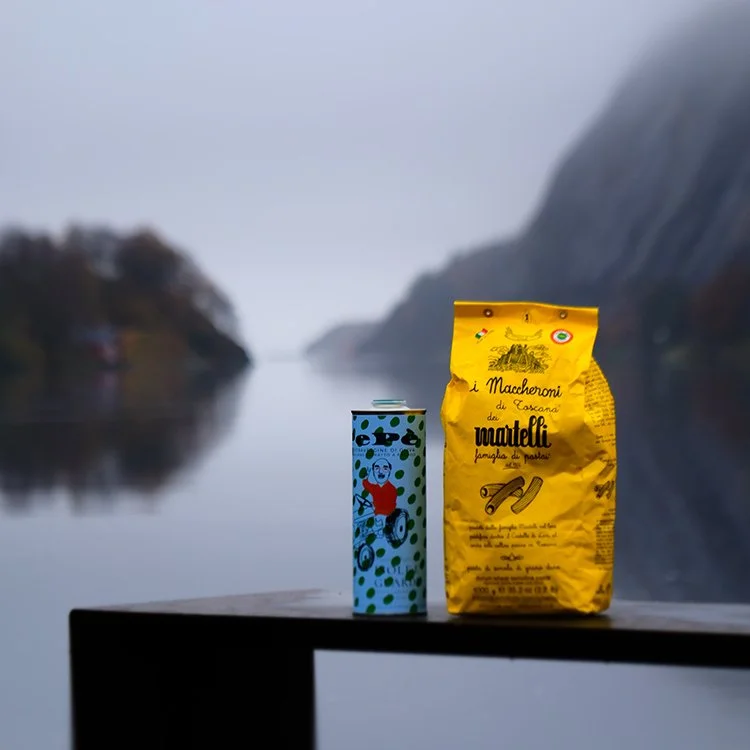
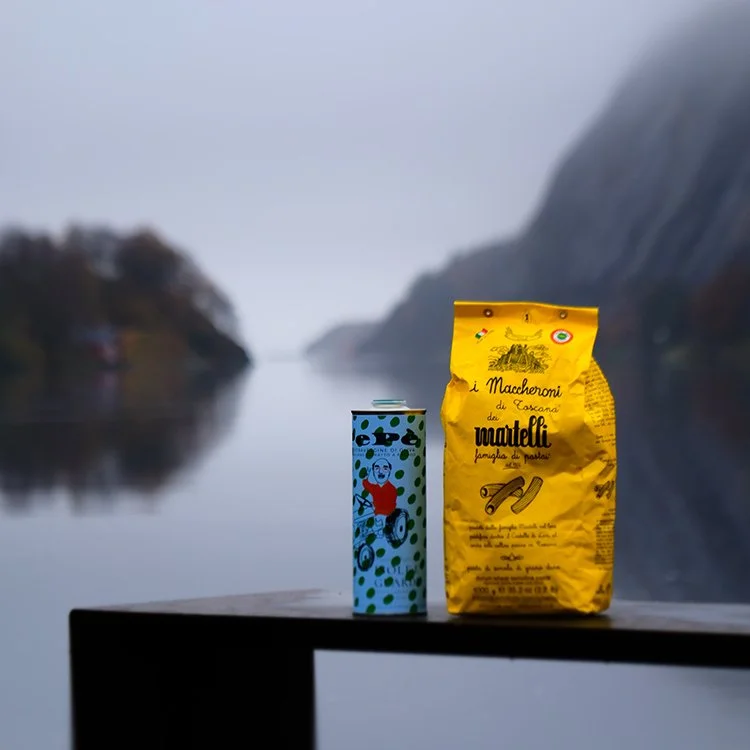
A welcome gift to groups visiting Logbua
1 bootle of exclusive olive oil from Luca Saglimbeni, Bolgheri, Tuscany area.
1 kg of Martelli Pasta, from a small pasta factory in Lari, Tuscany.
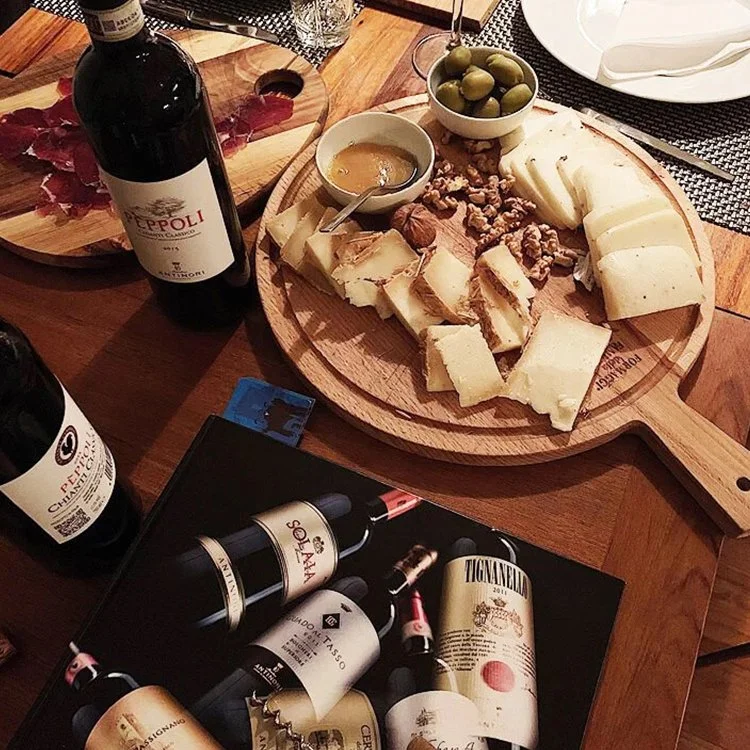
1 Salame al Tartufo from the local butcher in Lari, Tuscany Macelleria di Simone Ceccotti.
1 piece of the cheese “Tre Latti di Lari”, from Famiglia Busti in Tuscany.
The idea is; when you arrive to Logbua together with your family, friends or collegues you prepare a delicious dish together. All products come from our friends in Tuscany, where I normally work. A pasta dish easy to prepare. Some taste of truffle salami, toasted bread and high quality olive oil.
A welcome gift to groups visiting Logbua
"Happiness is great food and great company."
“Food, drink, friends, good conversation — a dinner party is, in the end, a simple and enduring combination of ingredients, made unique by what hosts and guests infuse the evening with. ”
Logbua - a little tuscany in Åna-sira
20 years of experience from Tuscany inspired me when designing the dining and kitchen space on Logbua to give it a touch of tuscan atmosphere.
Trattoria is a traditional, often family-run, casual eatery that serves affordable, home-style regional cuisine in a relaxed atmosphere.
In Tuscany, an osteria historically began as a simple wine bar ('oste' meaning host) where locals gathered to drink local wine, often bringing their own simple food like bread and cheese, but today it's a casual, rustic eatery focused on inexpensive, traditional, regional dishes, local wines, and a homely, communal feel, though the lines blur and some can be quite fancy now.
Luca Saglimbeni together with is family produce olive oil, wine and has also a cafe and restaurant on Elba.
Living a dream
What Anna and I want is to pass on to our little girl Caterina the values of doing things well, being in the middle of the world with a smile, loving animals, growing up in the middle of nature.
This is why Isole e Guardi was born, an agricultural project made of wine, oil and hospitality between the island of Elba and the beautiful hill of our home in Guardistallo.
Oil is the basis of Mediterranean cuisine
Oil is the basis of Mediterranean cuisine, important for our health, we make an oil from 1500 olive trees without chemical treatments and with a cold extraction process in the oil mill, the varieties are leccino, moraiolo, pendolino, lazzero for a typical Tuscan blend, very delicate and fragrant oil also suitable for fish dishes. We welcome our guests to taste this exclusive oil from Bolgheri and nearby area during their stay on Logbua.
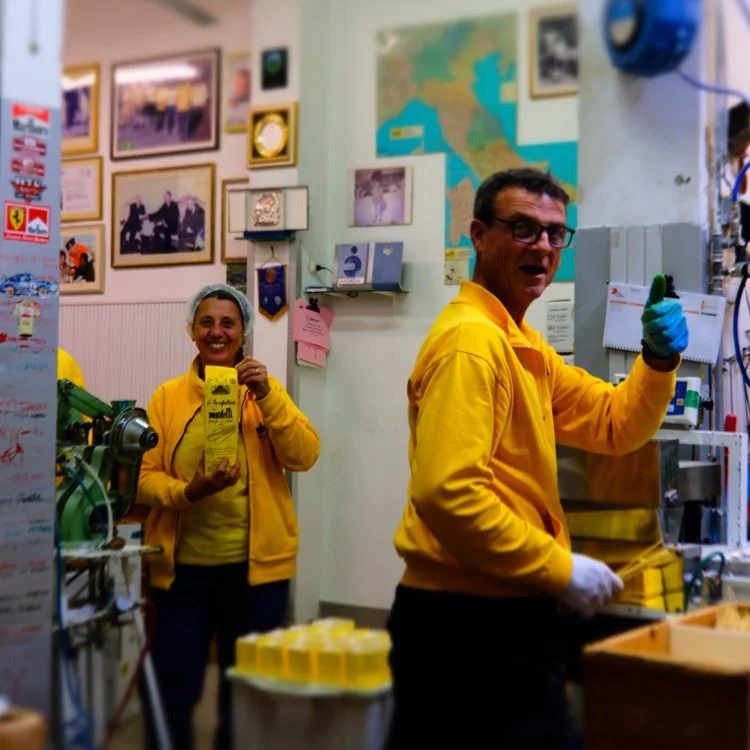
handmade pasta from tuscany 1927
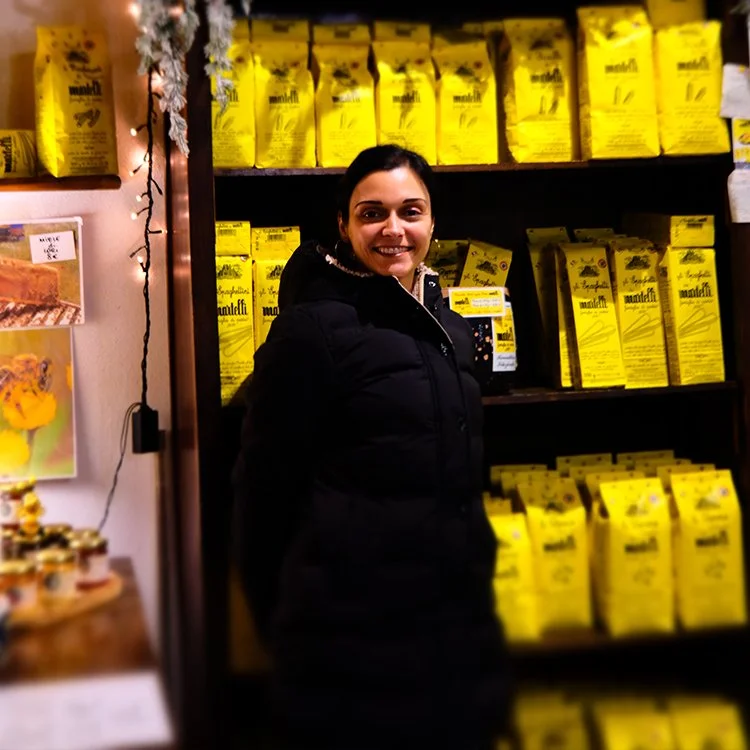
In the old town of Lari, inside the Castle, stands a large yellow building. It is the small pasta factory Pastificio Famiglia Martelli: artisan in spirit, traditional in substance. This is where the heirs of the ancient Pisan white art carry out their work. Here, between slow gestures and vintage machinery, a semolina pasta is created fully by hand.
A FAMILY OF PASTA MAKERS IN THE HEART OF TUSCANY
What a modern pasta factory produces in five hours, we make by hand in a year.
In contrast to large industrial plants, this is still a traditional artisan pasta factory. Artisan because it employs only eight persons, all members of the Martelli family. Traditional because behind each work process, from mixing and kneading to packaging, there is the skilful hand of a Master Pasta Maker.
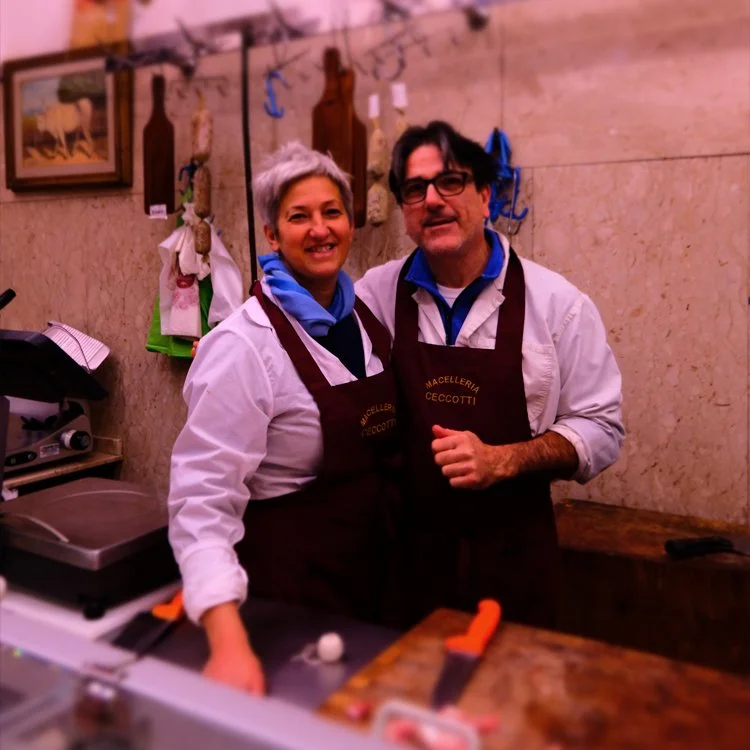
Simone and Barbara Ceccotti, the local butcher in Lari
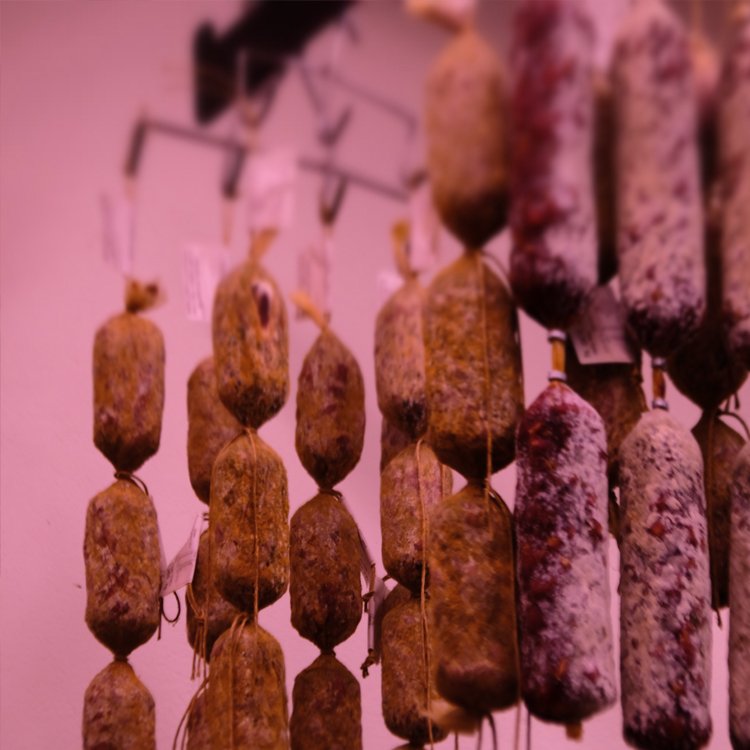
Salame al Tartufo
This product is mentioned in articles describing the local gastronomic excellences of the San Miniato and Lari area in Tuscany. The salami releases its flavor and aroma when thinly sliced. It is produced in limited quantities or seasonally, often coinciding with the white truffle season.
macelleria Ceccotti
The Ceccotti butcher shop was founded on January 26, 1956, by Anna and Dino, who learned from their grandparents to preserve traditions and ensure the quality and simplicity of authentic products. These are the lessons passed down to Simone and Barbara, the current owners.
All the pigs used by the butcher shop come from the nearby Peccioli area, purchased directly from the breeder and slaughtered in San Miniato. Never before has there been such a short supply chain, with entirely artisanal processing and certified quality.
The products are aged in natural environments, where a constant temperature and the right level of humidity are guaranteed by the thick castle walls of the ancient village of Lari.
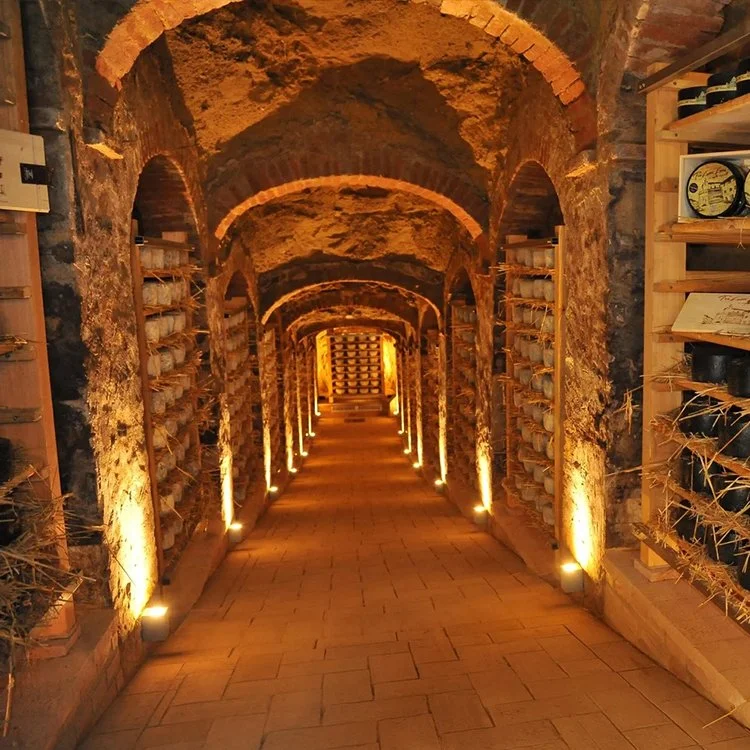
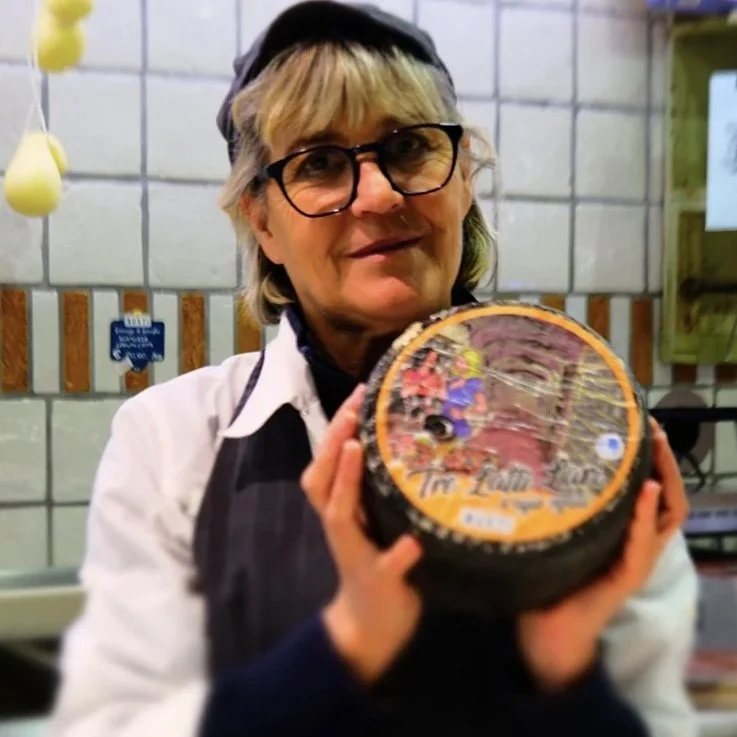
The Busti Family - Tre latti di Lari
La Grotta di stagionatura - The maturing cave
Entering the cave is like crossing the threshold of another era. The tuff walls tell a thousand-year-old story: this cave was already here in Etruscan times, and during the Second World War it was used as a refuge. Today, it is the only cave in Lari to have been renovated, and has become a magical place where the most delicate and fascinating part of the production of Pecorino Tre Latti Lari takes place.
tre latti di lari
Remo Busti recounts that in the early 1900s Garfagnana the practice of making cheese with milk from different animals that simply shared the same barn, such as sheep, cows and goats, was recurrent. To evoke this historic tradition, we have developed this recipe: Tre Latti Lari with vegetable-rennet is born from the perfect balance of the three milks that give the cheese extremely special and unique organoleptic characteristics. After an initial maturation of several months in the dairy, the cheese is transferred to our tuff cave in the medieval village of Lari, where it will remain to mature in natural microclimatic conditions, lying on wooden boards and wrapped in straw. The use of vegetable rennet makes it ideal for those who prefer a vegetarian diet. The rind is black due to the treatment with vegetable charcoal; the paste is white and crumbly, making it perfect for grating or flaking.
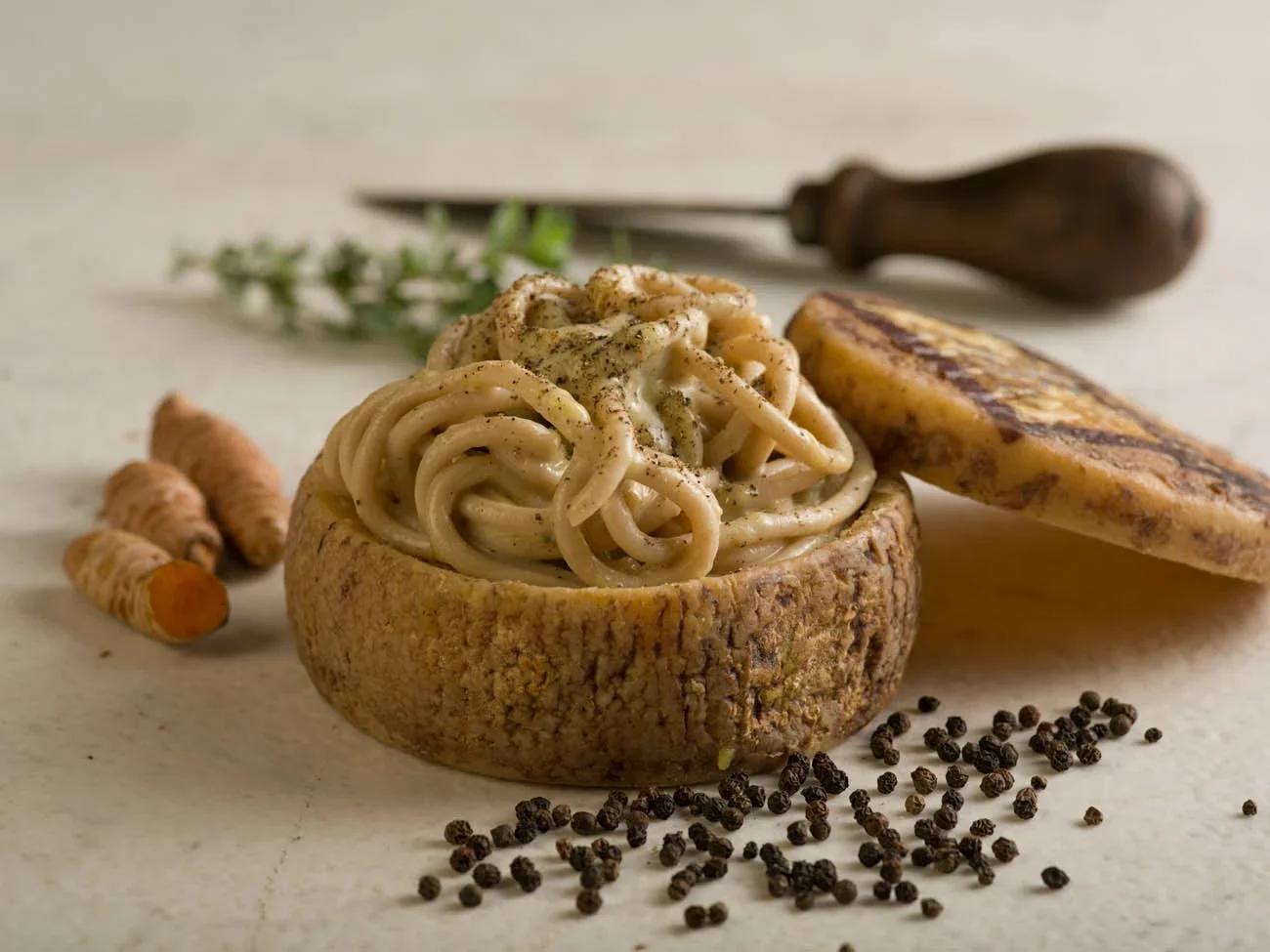
Photo-credit caseificiobusti.it
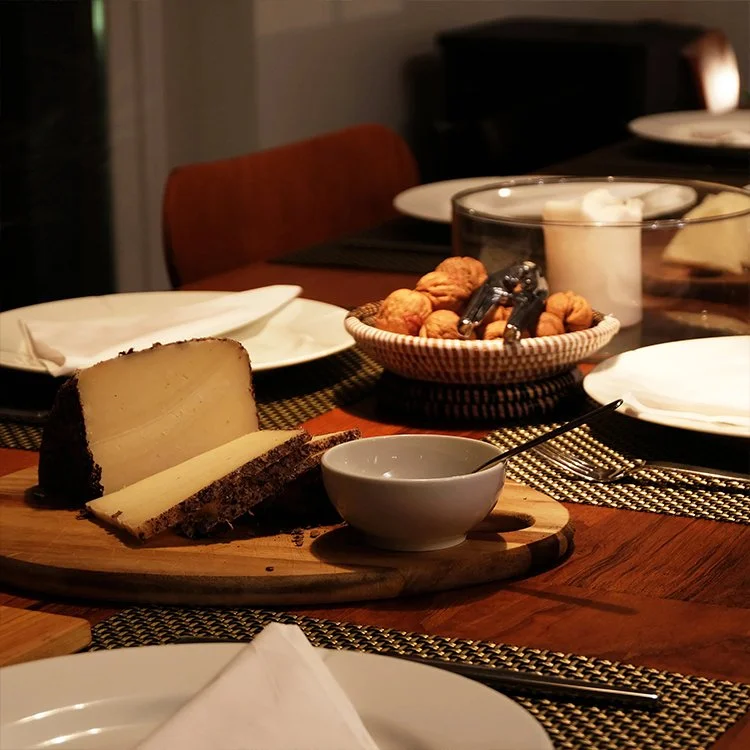
pasta cacio e pepe
Preparation:
Grate the cheese and put it in a bowl. Bring a pot of salted water to a boil and drop the pasta into the boiling water and cook until tender. Drain the pasta when ready and pour them into a bowl adding a generous amount of ground black pepper and some marjoram leaves. Toss until the pasta is creamy and well mixed with the sauce. If the pasta is too dry you may add some warm water and continue to blend.
Sprinkle over a little more black pepper and serve warm.
The cacio e pepe dish itself is a classic Roman recipe with just three ingredients: pasta, Pecorino Romano cheese, and black pepper.
Bruschetta aglio e olio
Bruschetta with just olio (olive oil) and sale (salt), a classic Italian starter, is made by grilling bread, rubbing it with a cut garlic clove, and then drizzling it generously with high-quality extra virgin olive oil and sprinkling with sea salt.
Bruschetta al Pomodoro: The most popular variation, topped with diced tomatoes, fresh basil, and more olive oil.
Bruschetta with Oregano: A simple Mediterranean version replacing basil with dried oregano.
Spicy Version: Adding red pepper flakes (peperoncino) to the oil or rubbing it on the bread for heat.
You will in summer find oregano and other spices in our own herb garden. In winter you can use dried oregano and basil in the kitchen wooden boxes.